


At Texas Impact, we believe in the power of stories. Through stories, we come to understand each other even if we come from very different circumstances. So, because today is an important day where I come from, I thought I would share my story with you.
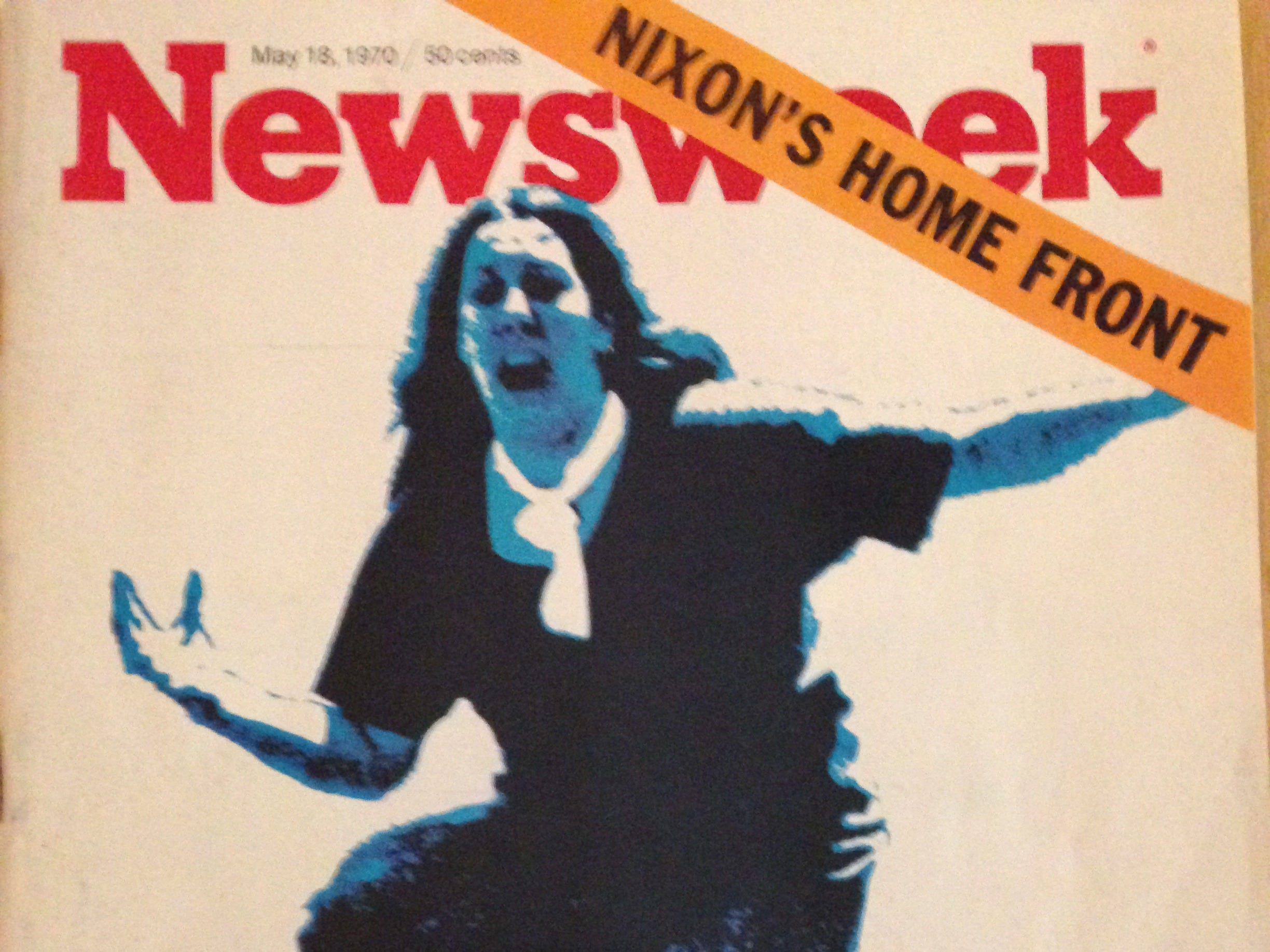
On May 4, 1970, I was six years old. I was in the home stretch of Mrs. Jones’ kindergarten class at Wall Elementary School in Kent, Ohio. I had enjoyed a brief engagement to a boy who had kissed me on the playground, and it still would be a full year before I learned to read.
Normally I walked to and from school with a group of kids from my neighborhood, but that day a classmate’s dad appeared before school was over and said I needed to walk home with him and his son. He walked me to my house, and I went inside, where I found my parents sitting in our little breakfast nook with the windows open and the radio on. They were listening to coverage of the unfolding tragedy, in which National Guard soldiers shot and killed four Kent State students amid ongoing Vietnam War protests.
My parents were also listening to the actual unfolding tragedy, because our house was across the street from the campus.
In the weeks following the shooting, I remember seeing armed military personnel lining Main Street when we drove to church. I remember music students in our house at all times of the day and in the evenings, because my dad taught music theory and composition at Kent State and the university was closed following the shootings. I remember my mom cooking vats of spaghetti to feed the students.
Growing up, May 4th was omnipresent. My schoolmates all had opinions about what happened, whether they had lived in Kent at the time or not. There were annual marches, and there continue to this day to be observances on campus and in the community. Important art, music, poetry, and theater have been created over the decades, as the community has processed and re-processed that day that changed everything.
Kent State became internationally notorious. My family went camping on a remote island off Nova Scotia in 1979, and the locals knew all about the shootings, recognizing the logo on my mom’s sweatshirt. Not long after that, the university unveiled a new logo. (Decades later, Urban Outfitters somehow saw fit to re-open the wound.)
My parents didn’t talk a lot about the shootings, but one thing was clear to me: they blamed elected officials. They saw the incident as a failure of political judgement and public policy. They felt city and state leaders had made the choice to call in the National Guard without understanding the possible range of consequences, because they disagreed with the protesters. My mom, in particular, felt she could do a better job—and in 1974, she ran successfully for City Council, launching a 40-year career in public service.
My husband is eight years older than I am, and when we started dating he knew more about the Kent State shootings than I did, despite his having grown up in Kingsville, Texas. He was excited to go to Kent and walk the path that decades later was designated a National Historic Landmark. He tried to engage my parents in dinner table conversation about the shootings, but mostly got shut down. My dad became animated only when Rob started waxing rhapsodic about “young radical professors,” barking “Robert, in 1970 I was a young radical professor.”
And that’s true, at least the young part. Today, my grandson is just finishing kindergarten—and his dad, my son, is two years older than my dad was on May 4, 1970.
I don’t know if my folks were radical. My dad played jazz music, and my mom wore a medallion that said “war is not healthy for children and other living things” and fed us unhomogenized peanut butter from the natural foods co-op. So maybe.
But what they definitely were was patriots. They believed staunchly in American representative democracy. They believed that elected officials have to make informed decisions for the common good, so we should elect people who believe in the common good and who are equipped to make informed decisions.
People who, on any given sunny day, understand that the choices they make in a moment might shape the lives of everyone in their community, and still be reverberating 56 years later.