


In physics, resilience is the ability of an elastic material (such as rubber or animal tissue) to absorb energy (such as from a blow) and release that energy as it springs back to its original shape. The recovery that occurs in this phenomenon can be viewed as analogous to a person’s ability to bounce back after a jarring setback. The word resilience derives from the present participle of the Latin verb resilire, meaning “to jump back” or “to recoil.” The base of resilire is salire, a verb meaning “to leap” that also pops up in the etymologies of such sprightly words as sally and somersault. Merriam-Webster
This week, the administration rolled back an important policy statement, the “endangerment finding,” which acknowledges the scientific conclusion that climate change is dangerous to human health. For many Americans, this policy action on the part of a government agency is feeling like violence—in fact, traditional media are describing the action as a “knock-out punch.”
Of course, while the government can make and un-make policies, it cannot make or un-make scientific conclusions. EPA’s repeal of the endangerment finding has the same scientific basis as if the Texas Education Agency adopted a policy that two plus two no longer equals four. Nevertheless, the repeal has real policy implications and will contribute to real human suffering.
It’s really disheartening.
Meanwhile, I’m still chewing on all the great content from the Democracy Forward conference, which focused on “resistance, resilience, and reimagining.” Last week, I shared some highlights from the “resistance” portion of the event. This week I’m reflecting on “resilience.” (Spoiler: guess what comes next week.)
Identifying strategies to build resilience can be challenging, because people who are talking about resilience typically are exhibiting resilience but are not necessarily articulate about what exactly makes them resilient. But one place where resilience as a concept is a nuts-and-bolts topic is climate change: particularly as no-longer-avoidable impacts of climate change manifest, more and more of the technical and policy discussion acknowledges the need for communities and individuals to be climate-resilient.
Even folks who are not at this moment existentially impacted by climate change nevertheless feel threatened by it. Eco-grief and solastalgia describe the negative mental health effects of climate change. I’ve written before about the Climate Mental Health Network, which is a great resource for anyone working with youth. Texas Impact is following closely the public health community’s increasing work connecting climate change and mental health concerns like this report from American Public Health Association.
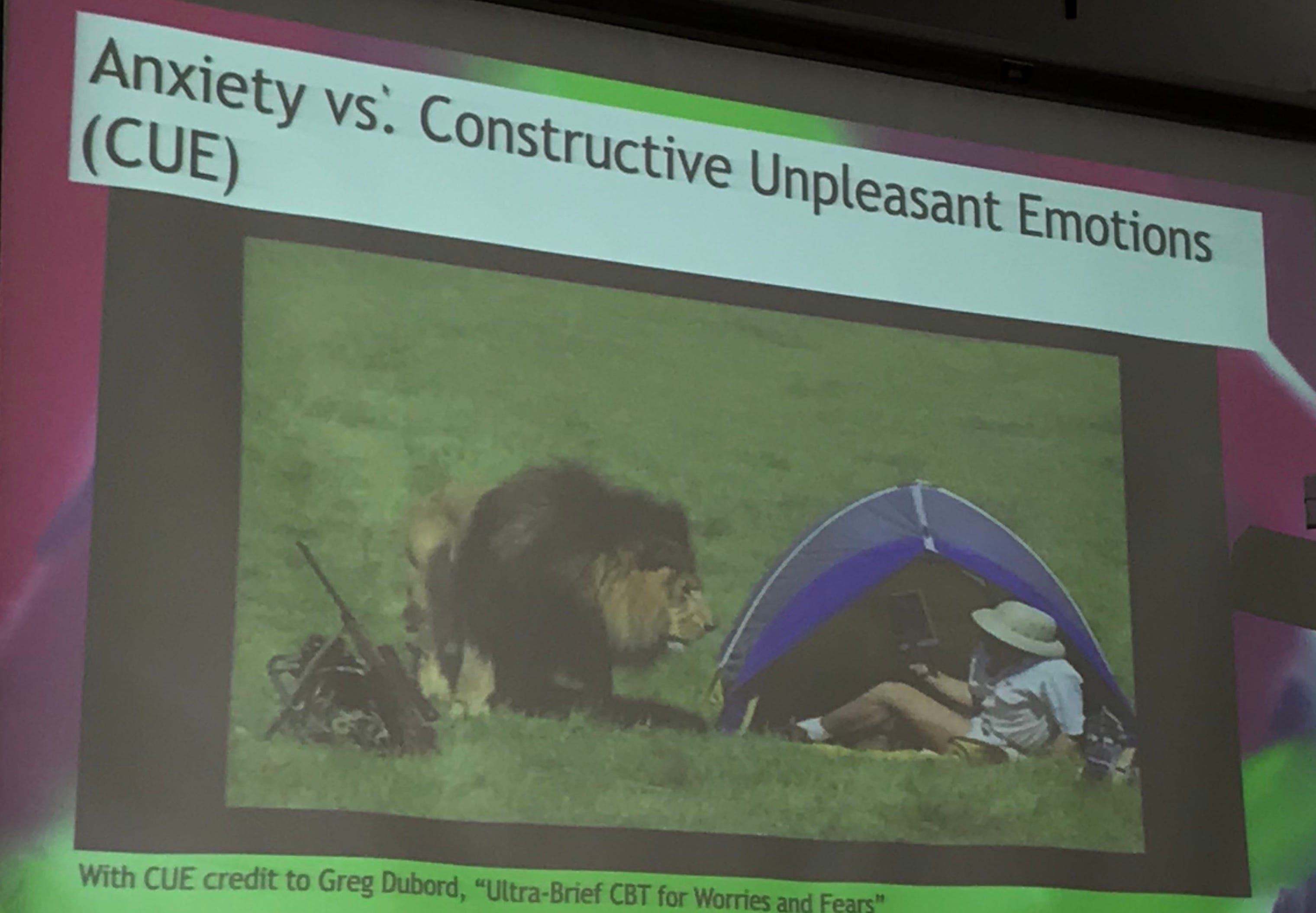
Many of the mental health experts focusing on climate change highlight the role of “constructive unpleasant emotions” or CUEs in prompting us to take action when we experience identifiable threats and actionable steps available to us. According to the Yale Program on Climate Communications, climate distress prompts people to take constructive actions, ranging from changing individual behaviors to participating in advocacy.
For many people, learning about and discussing tough topics can be a way to build resilience. Texas Impact has a number of resources on climate change for faith communities, and we are very excited to release a new one: Episode One of our video series Changing by Choice is now available on YouTube! The video series is part of our five-lesson discussion series, perfect for your Sunday school or other discussion group. It’s perfect for a Lenten study—we’ll release one episode each week for the next five weeks.
Love,
