

Lethal Fetal Anomalies
Advancing Compassionate, Common-Sense Reproductive Policy in Texas

Four months after the passage of the Life of the Mother Act, Texas has taken an essential step toward clarifying when physicians can provide life-saving medical care without fear of prosecution. This legislation represents the first bipartisan reform to the state’s abortion framework in the 50 years since Roe v. Wade. It demonstrates that meaningful policy progress is possible even amid deep moral and political divisions. The Act’s passage addressed an urgent need: ensuring that women facing medical emergencies receive timely, appropriate care and that physicians are empowered to act in accordance with sound medical judgment.
Throughout the legislative session, members of our Reproductive Rights Issue Team played a central role in shaping this outcome. They testified before committees, met with lawmakers, made strategic phone calls to key offices, wrote letters to local newspapers, and—perhaps most importantly—held thoughtful conversations with people who hold different views. These interactions built bridges and underscored a critical truth: Texans can find common ground when the focus is on saving lives and protecting the health of women.
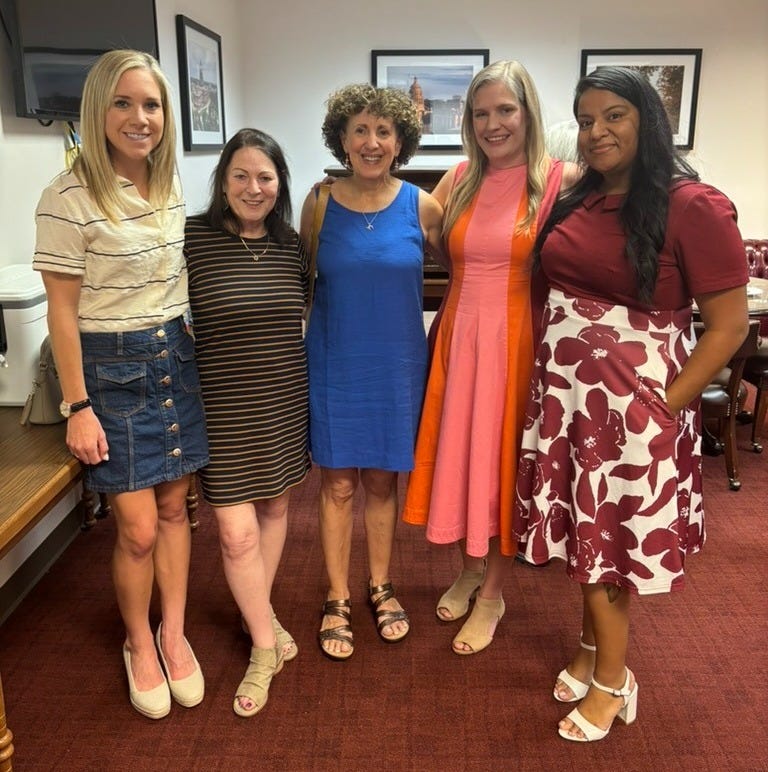
A pivotal moment in this effort came through screenings of the documentary Zurawski v. Texas, which follows three Texas women—Amanda Zurawski, Samantha Casiano, and Dr. Austin Dennard—who were denied medically necessary abortion care and brought their case before the Texas Supreme Court. Beginning in January, our members hosted screenings across the state, often in their houses of worship, creating opportunities for honest dialogue about the real-world consequences of restrictive laws. The women featured in the film attended several of those events, engaging directly with attendees and helping communities understand how policy failures can have devastating personal outcomes.
The Life of the Mother Act addressed one of the central issues highlighted in the documentary by clarifying when physicians can intervene to protect a patient’s life. Yet it resolved only part of the problem. Our members, through their relationships with the Zurawski plaintiffs and continued community engagement, recognized that additional reforms are needed to address cases involving lethal fetal anomalies—pregnancies in which a fetus cannot survive outside the womb.
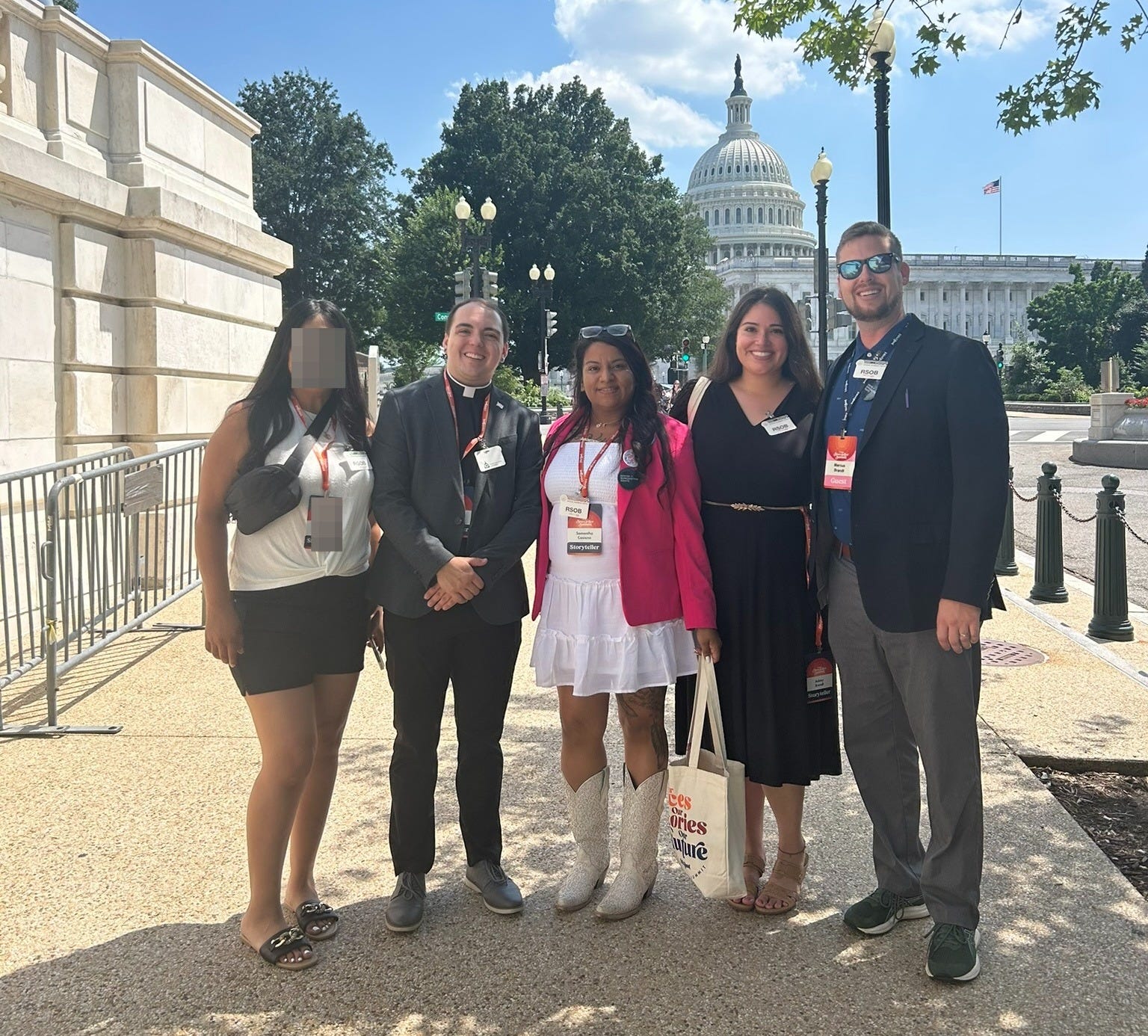
Following the session, our members unanimously identified lethal fetal anomalies as their next policy focus. Their relationships with the women from Zurawski v. Texas provided powerful insight into how these cases continue to affect families long after their pregnancies end. Many of the plaintiffs experienced fatal fetal anomalies—conditions that current law fails to address adequately. Our team is now developing policy strategies that can advance legislation providing clear medical pathways for physicians and compassionate options for families facing these devastating diagnoses.
From the outset of our advocacy for life-saving medical exceptions, our team consulted medical professionals to ensure that our policy work reflects clinical realities. Recently, we hosted a presentation by two medical students from McGovern Medical School, members of Medical Students for Choice, who are pursuing careers in obstetrics and gynecology. They provided valuable education on the most common types of lethal fetal anomalies, their causes, methods of diagnosis, and likely outcomes for both mother and fetus. This collaboration has deepened our members’ understanding of the medical complexity involved and will inform our next phase of policy engagement.
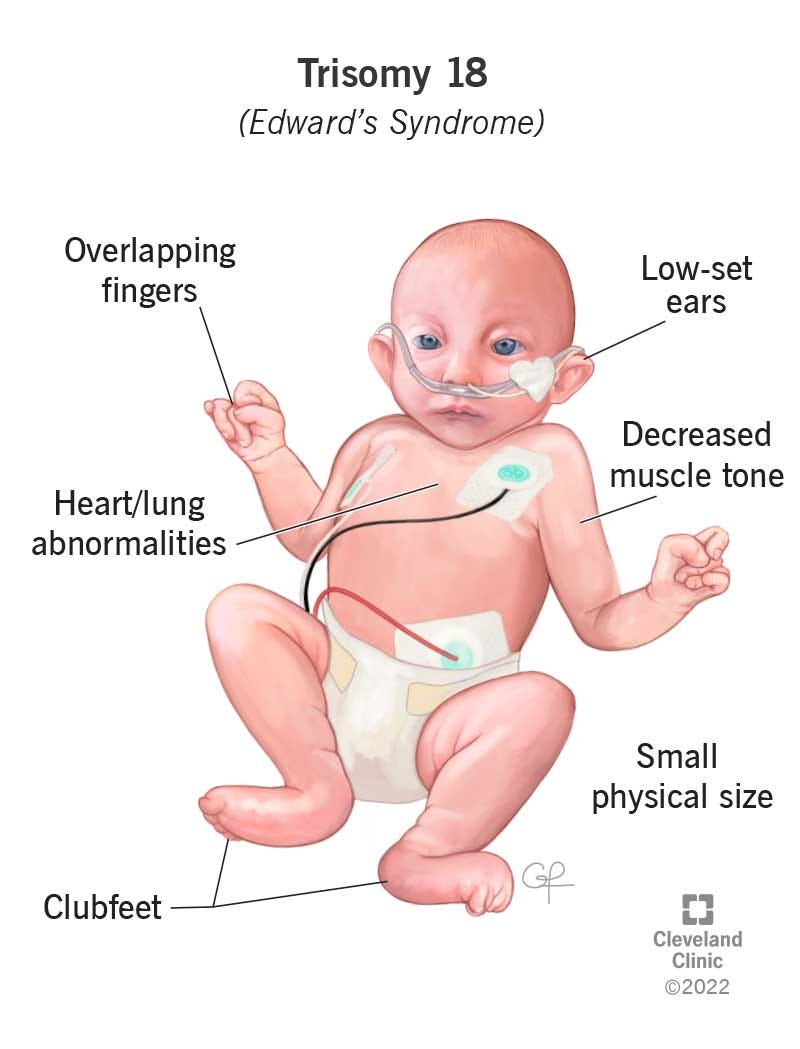
To be clear: lethal fetal anomalies differ fundamentally from conditions such as Down syndrome, dwarfism, or cleft palate—conditions that can often be treated or managed after birth. Lethal anomalies are characterized by irreversible, nonviable fetal development, where treatment is unavailable or ineffective and fetal or neonatal death is inevitable. These diagnoses often involve missing vital organs, severely underdeveloped systems, or conditions such as irreversible heart or lung failure. In these cases, forcing a woman to continue a pregnancy carries profound physical and emotional risks, often subjecting the unborn baby to gruesome suffering.

As we look ahead, our work remains grounded in the belief that public policy should reflect both compassion and medical integrity. By collaborating with legislators, physicians, and faith communities, we can continue to advance targeted reforms that protect women’s health, uphold the professional judgment of medical providers, and affirm the shared value of caring for one another. The passage of the Life of the Mother Act demonstrated that bipartisan solutions are achievable—our next goal is to ensure that compassion and clarity continue to guide Texas law.
Printing from email link cropped pages. Now I do not see how to print the better formatted item from Substack which I just “joined”.