Protecting the Midterm Elections
Standing our ground for free and fair elections.

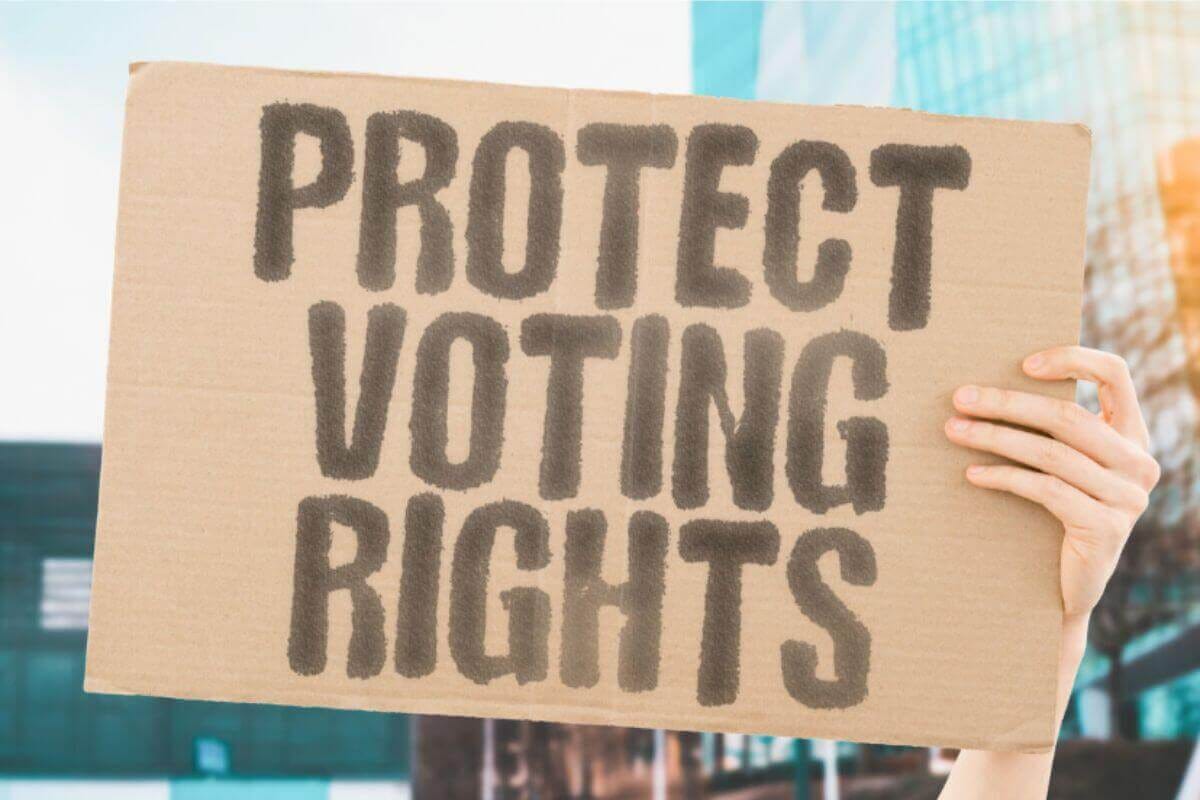
With just over three months until early voting begins for the midterm elections, the time to prepare is now. Election laws, policies, and voting procedures have changed in many places over the past year, making it more important than ever to confirm your voter registration status and understand the rules and deadlines that apply where you live. Below is a summary of key state and federal developments from the past year that could affect the upcoming election.
Calling of a special Texas legislative session to redraw congressional districts.
Gov. Abbott added congressional redistricting to the agenda of a special session in July 2025.
The effort came well before the next census and was widely viewed as an attempt to redraw U.S. House districts ahead of the 2026 midterm elections.
Signing a new congressional map into law.
Despite much voiced public opposition, the Legislature approved the plan and Abbott signed the revised congressional map.
Analysts estimated it could increase Republican-leaning U.S. House districts by as many as five. The map has been challenged in court on constitutional and Voting Rights Act grounds.
The turning over of Texas voter rolls to the U.S. Justice Department
The Justice Department began asking all 50 states for their voter rolls — massive lists containing significant identifying information on every registered voter in each state — and other election-related data. The Texas Secretary of State office handed over Texas voting lists in January, 2026.
The SAVE Act. This administration and Governor Abbott have strongly backed legislation requiring documentary proof of U.S. citizenship to register to vote in federal elections. Many groups argue it would make registration harder for eligible voters who lack readily available documents such as passports and birth certificates and is not needed.
Aggressive voter-roll maintenance. Some Texas legislators have prioritized measures that identify and remove non-citizens from voter rolls, arguing it protects election integrity. Voting rights advocates warn that overly aggressive roll maintenance have mistakenly removed eligible voters and cite virtually no cases of voter fraud by noncitizens. Election officials have testified that voter registration forms are included in packets with other forms relevant to immigrants, and were filled out mistakenly.
Restriction of mail-in voting. President Trump has repeatedly argued that mail voting is vulnerable to fraud (despite studies and election officials finding fraud to be rare) and has supported limiting eligibility for mail ballots. His administration also issued executive orders aimed at changing how mail ballots are handled, though key provisions have been challenged in court.
Expansion of federal involvement in election administration. Executive orders issued since January 2026 have sought to direct federal agencies to play a larger role in voter registration verification and election procedures, raising legal questions because states traditionally administer elections.
Attempts to manipulate the Postal Service in mail-ballot administration. One executive order proposed having USPS determine eligibility for certain mail ballots and refuse delivery of ballots from voters not on federal-approved lists. Multiple lawsuits challenged these provisions.
Changes to the Election Assistance Commission (EAC). The president has sought greater influence over the federal agency that develops voluntary voting-system guidelines, including replacing commissioners. Critics argue this could reduce the agency’s independence.
Questioning of voting machines and advocating paper ballots and hand-counts. Some communities in Texas tried to implement hand counting in the primary elections, but abandoned the plans due to lack of volunteers and high costs. Many election advocates express concern in general with hand counting process.
Appointment of an election-integrity adviser.
Gov. Abbott appointed state Rep. Nate Schatzline as a senior adviser on election integrity while preparing to appoint a new Secretary of State after Jane Nelson’s pending resignation.
The move drew attention because Schatzline has questioned aspects of past elections.
Texas Voting rights coalitions have been working to ensure elections proceed without incident and have been discussing various responses should there be attempts to disrupt any phase of the election or verification process. While foul play is not expected, structures have been and will continue to be in place for voters to report any irregular activity at the polls. Our job as voters is to stay alert and not to assume our usual voting habits will be enough for this election.
What you can do.
Check your voter registration monthly through election day.
With all the data sharing, filtering, and purging, many voters have been mistakenly flagged and had their registration placed in suspension. Go to your county election website, the Secretary of State website, or simply search “How do I check my voter registration in Texas?” You will be asked to enter you name and address. It’s a simple process.
Watch your mail for any notices about your voter registration.
Should your registration be flagged for any reason, you will receive a letter in the mail asking you to verify voter information. Keep this in mind as you check your mail. These notices can get lost or overlooked.
Pay attention to voting deadlines.
If you vote by mail, don’t wait for the last minute. Request your ballot early; return your ballot early. Don’t risk your ballot not being counted due to delays or missed deadlines.
If you see something, say something.
Election Protection has created a hotline that is staffed by legal experts and voting advocates. This is a central hub for addressing a wide array of issues from the mundane to the severe. Should you see anything that feels “off” to you (i.e. campaigning within 100 feet of the polling location, harassment of voters, or late opening of a polling location) call 866-687-8683 (866-OUR-VOTE).
Together, we can build a peaceful, positive approach toward these crucial elections in our country and our state.