

Remembering Backward and Forward
Honoring the sacrifice by living into the promise

This weekend is Memorial Day Weekend, one of the national holidays established in the Uniform Monday Holiday Act of 1968. Memorial Day was first observed on May 30, 1868, as a day to decorate the graves of soldiers who died in the Civil War. It was originally called “Decoration Day,” and according to the National Cemetary Administration, the originators chose the end of May for their observance to ensure availability of “the choicest flowers of springtime” all over the country.
Memorial Day is a national day of remembrance, or remembering. The word “remember” means to bring information you already know to the forefront of your consciousness or your attention.
Remembering is central to community identity. Honoring veterans of military service is one important way we affirm our collective debt to people who lived their lives in ways that made possible our present reality.
The word remember and all its variations—recall, recollect, reminisce, memorialize—refer to information from the past. We don’t usually remember, or have memorials to, events that haven’t happened yet.
But we treat memory differently when we apply it in a faith context.
Remembering also is central to the life of faith. In the Abrahamic traditions specifically, scripture holds the community’s memory of where it came from, and also of where it’s going—something theologian and hymn writer Fred Kaan referred to as remembering forward.
God! As With Silent Hearts We Bring to Mind
Words by Fred Kaan
God! As with silent hearts we bring to mind
how hate and war diminish humankind,
we pause - and seek in worship to increase
our knowledge of the things that make for peace.
Hallow our will as humbly we recall
the lives of those who gave and give their all.
We thank you, Lord, for women, children, men
who seek to serve in love, today as then.
Give us deep faith to comfort those who mourn,
high hope to share with all the newly born,
strong love in our pursuit of human worth:
‘lest we forget’ the future of this earth.
So, Prince of Peace, disarm our trust in power,
teach us to coax the plant of peace to flower.
May we, impassioned by your living Word,
remember forward to a world restored.
Remembering forward does not mean wishing or hoping. It means expecting.
Writer Katie Munnik suggests, “When we remember the past, there is a risk we only retread old paths of violence and grief. Remembering forward might pull us past that. Remembering forward might mean finding a way to remember that is not only anchored in our broken past but in the assurance of new life ahead of us.”
In the blog this week, Becca unpacks the multiple hazards Texas faces from climate change, and provides an unvarnished look at how the Texas Legislature consistently observes disasters in the rear-view mirror:
Each of the last five Texas Legislative Sessions have had an impactful weather or climate event as a major focus: In 2013 it was drought. In 2019 it was flooding. In 2021 it was extreme cold. In 2025 it was wind, drought, and wildfires in the Panhandle. Will the 2027 session be dedicated to the May 2026 wildfire and flood outbreak?
The exact task of public policy is to remember forward—In effect, to establish memorials for events that haven’t happened yet, and to write the histories of people who have not been born yet. The Constitution says as much: It is designed to “secure the blessings of liberty for ourselves and our posterity.” Since we can’t know the specific challenges we will face in the future, we have to design our policy frameworks to be resilient, and calibrated for what we call desired future conditions.
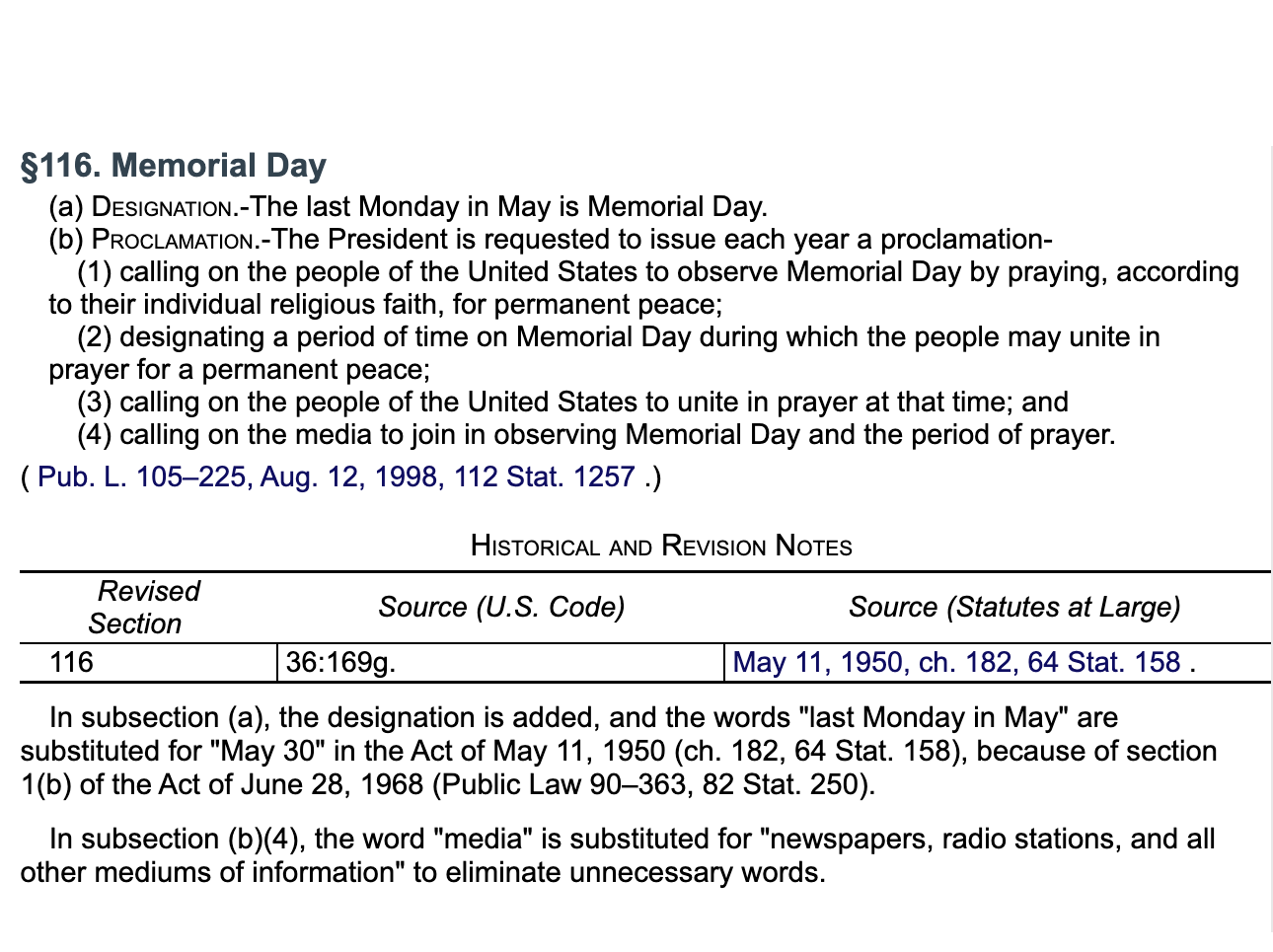
Memorial Day itself is intended to be a time for Americans to remember forward. When Congress established Memorial Day in federal law, the legislation directed the President to issue an annual proclamation “calling on the people of the United States to observe Memorial Day by praying, according to their individual religious faith, for permanent peace.”
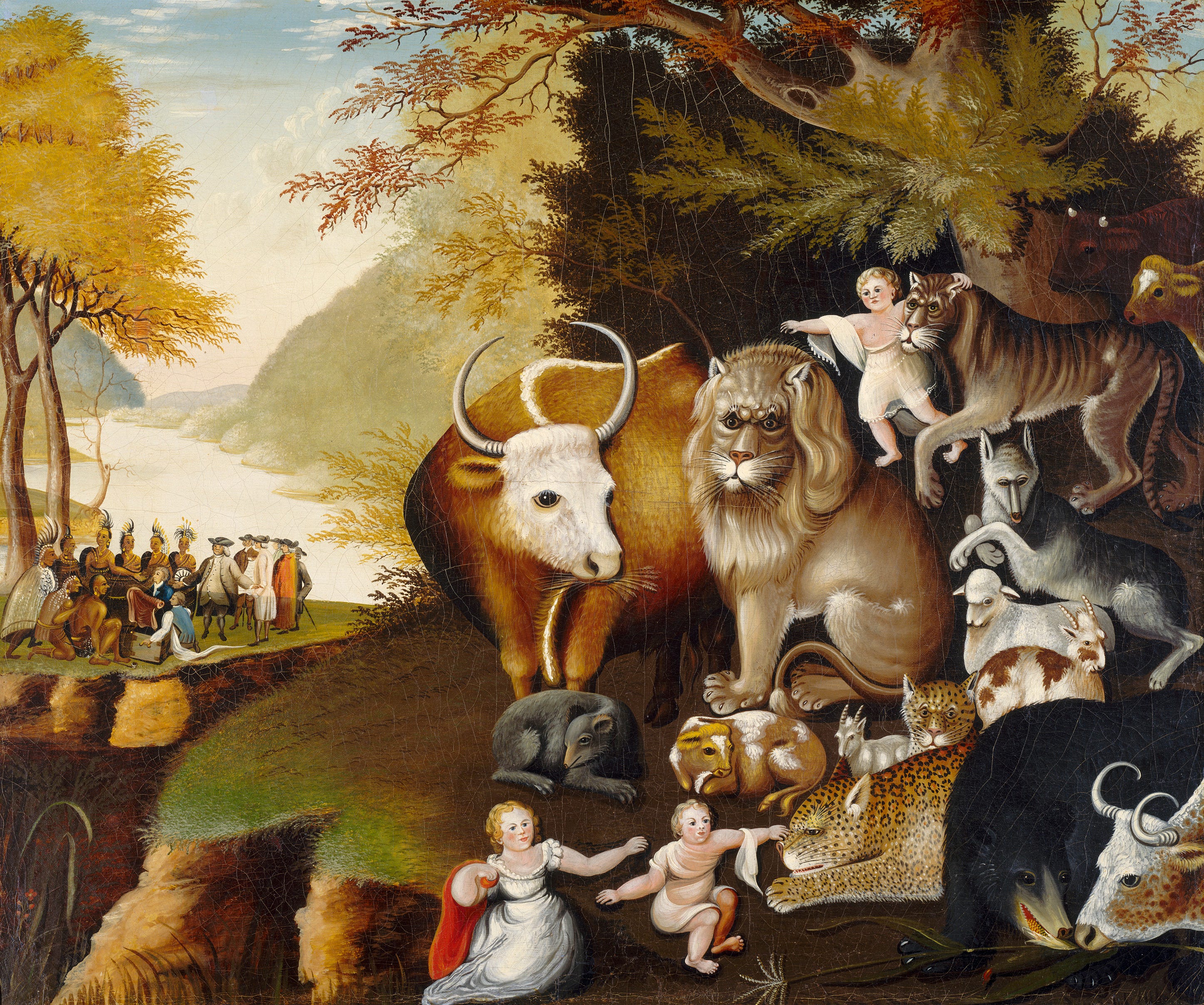
Permanent peace—the peaceable kingdom—is not a memory of something that already happened. It is the desired future condition, the memory of who we are meant to be.
Remember you are all people and all people
are you.
Remember you are this universe and this
universe is you.
Remember all is in motion, is growing, is you.
Love,
