


In South Florida where I grew up early summer was the time we checked the supplies in the tall metal cabinet in the garage that we called the “hurricane cabinet.” We had canned food, water, flashlights, batteries, and other supplies that would help keep us comfortable in the event a hurricane impacted our area and knocked out the power for a prolonged period of time.
This kind of preparation is part of the family routine for people who live in coastal areas vulnerable to hurricanes, but what would it be like if the whole state opened up our “hurricane cabinet” and assessed our readiness for summer weather and climate hazards?
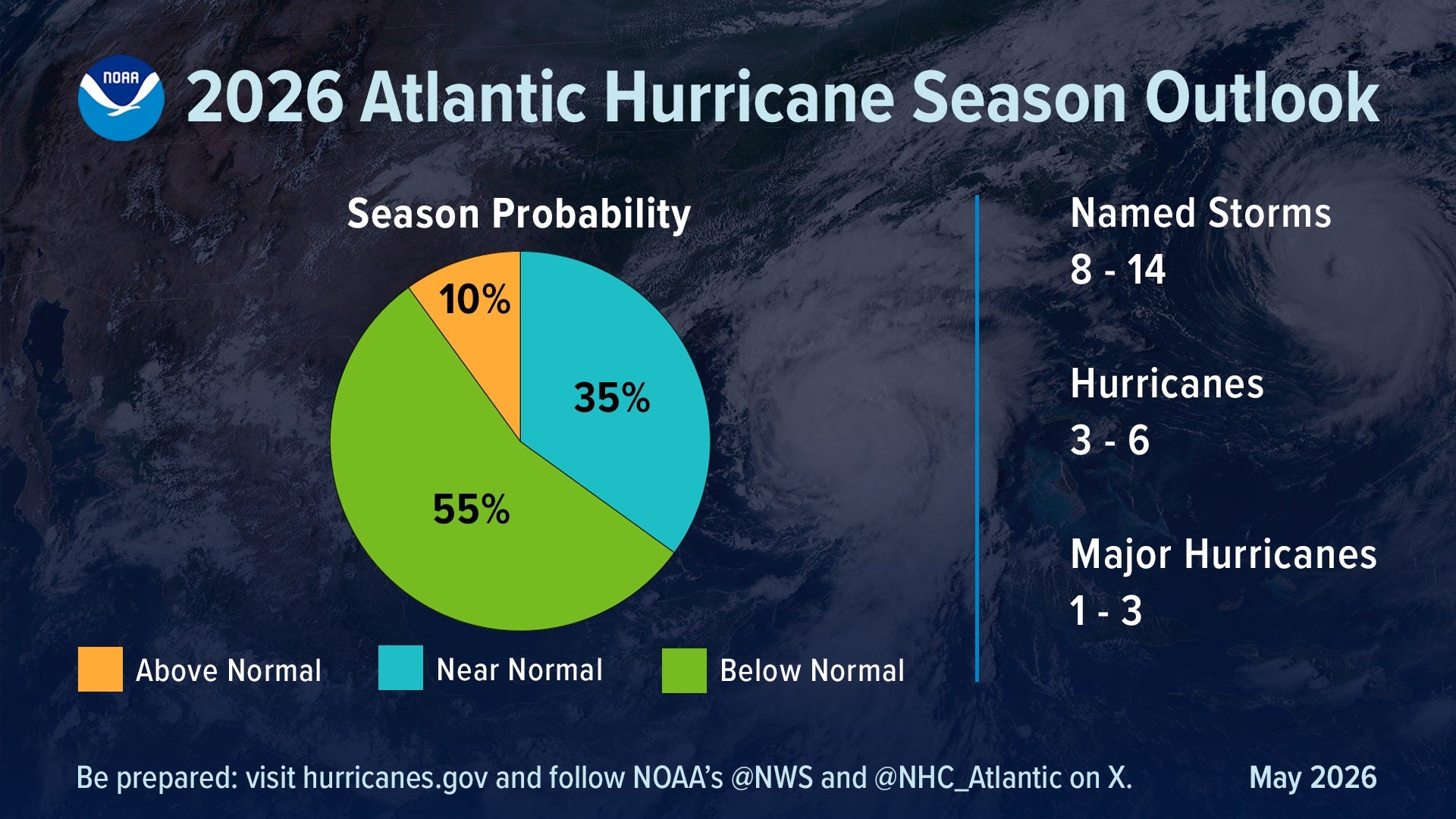
The Atlantic Hurricane Season started this week on June 1. Because of the strong El Nino forming in the Pacific Ocean, scientists predict a slightly less active hurricane season than average. But that does not mean we should let our guard down. It only takes one significant landfall to make a hurricane season impactful. According to NOAA:
“The agency is forecasting a total of 8-14 named storms (winds of 39 mph or higher). Of those, 3-6 are forecast to become hurricanes (winds of 74 mph or higher), including 1-3 major hurricanes (category 3, 4 or 5 with winds of 111 mph or higher).
The summer months are prime time for hazards in Texas. Not just hurricanes, but also severe weather, drought, wildfires, floods and extreme heat. The Legislature has resisted calls to steer the state toward a comprehensive resilience plan, instead dealing with natural disasters on a case by case basis. That approach means disasters have a bigger, more costly impact, according to Former Deputy Administrator for Resilience at FEMA, Victoria Salinas, who now serves as the Climate Leader in Residence at Duke University’s Nicholas School of the Environment. Resilience is a posture that successful organizations cultivate. And it’s a capability every organization increasingly needs. As hazards increase in frequency and severity, the gap between organizations that invest in and plan for resilience and those that fail to do so is growing.
“Most organizations have invested heavily in efficiency, but not enough in resilience — the capability that enables people to anticipate disruption, adapt under stress and recover quickly with less loss. The cost of that gap is accelerating. According to NOAA, the U.S. experienced 27 separate billion-dollar disasters in 2024, totaling $182.7 billion in losses. By mid-2025, Climate Central had already documented fourteen additional billion-dollar events exceeding $100 billion. Organizations that prepare their people for volatility don’t just “ride out” disruption — they protect health, maintain continuity and recover faster.”
A Texas example of this model of resilience is the HEB chain of grocery stores, which has developed a reputation for reliability during emergencies. That reputation comes from years of work to learn about disasters and find ways to provide reliable service to customers amid disruptions in supply chains, electrical power, and other challenges. HEB has responded to multiple high-profile disasters in Texas, often going beyond simply making food available to serve the community by providing electricity, water, and air conditioning.
“H-E-B had begun developing a deeper understanding of the role it could play as an emergency responder in 2005, after Hurricane Rita struck southeast Texas, said [former HEB Director of Emergency Preparedness] Noakes, who has been with the company since 1994. “We learned early on after Hurricane Rita that power is very important to keeping H-E-B stores running,” he said. So the company increased its fleet of mobile generators. Flooding taught the company about the importance of having potable water sources—hence the water tankers. Noakes took on his current role as director of emergency preparedness in 2008, watching for hurricanes, tornadoes, flooding, and other potential disasters in Texas. “When you feed half the people in Texas, it’s your responsibility to be open during times of crisis,” Noakes said.”
HEB president Craig Boyan’s philosophy about emergency preparedness reflects the resilience posture Victoria Salinas advocates:
“We are in a year-round state of preparedness for different emergencies,” HEB president Craig Boyan said. It helps that the company has an emergency preparedness department, he noted: if you’re constantly thinking about those things, you’re more likely to be able to address them.”
HEB’s reputation for reliability in a crisis has gained national attention, and more importantly, has driven unquestioned brand loyalty for a large share of Texas residents. That loyalty lasts year-round, long after a community has recovered from a disaster.
This approach need not be limited to the private sector. The science behind the changing risk of impactful weather in Texas is clear. The Texas Legislature has a duty to develop a posture of resilience for the benefit of residents, institutions, and businesses statewide.
It is not just major events like Hurricane Harvey that make an impact. What separates resilient organizations from non-resilient ones is the recognition that developing resilience to smaller, day-to-day stresses are just as important as preparing for major disasters. Extreme heat, drought, water stress, flooding, and wildfires affect day-to-day operations and the cumulative effect has a big impact on organizational success. This difference in approach is the reason behind the growing gap between resilient and non-resilient organizations.
Texas takes pride in its ability to attract investment from global corporations, but continues to lag behind other states in planning for resilience and climate change. That puts residents and Texas-based businesses at a disadvantage. The first thing institutions, companies, and governments can do to begin fostering a posture of resilience is to understand the changing risk landscape. That means learning from reliable sources about how risks are changing, who and what is exposed to those changing risks, how risks compound, and how those exposures influence safety, productivity, and demand.
Time is of the essence. The World Meteorological Association has issued an 80% probability of an El Niño developing this summer. El Niño means more impactful weather in the continental United States, including Texas. The risk of severe and impactful weather has been increasing steadily in the past several decades and scientists project that increase to continue. Extreme heat, a silent phenomenon that remains the most deadly of all the weather and climate hazards, has increased in intensity and frequency with implications for people who live and work outside, those without access to air conditioning, and people who enjoy outdoor recreational activities.
Resilience to weather and climate disasters doesn’t just happen. It requires vision, leadership, attention to detail, and an understanding of the science behind climate change and risk. The longer the state waits to take the lead on resilience, the worse off we will be.