

Teaching Tikkun Olam
How Judaism encourages young people to become advocates.


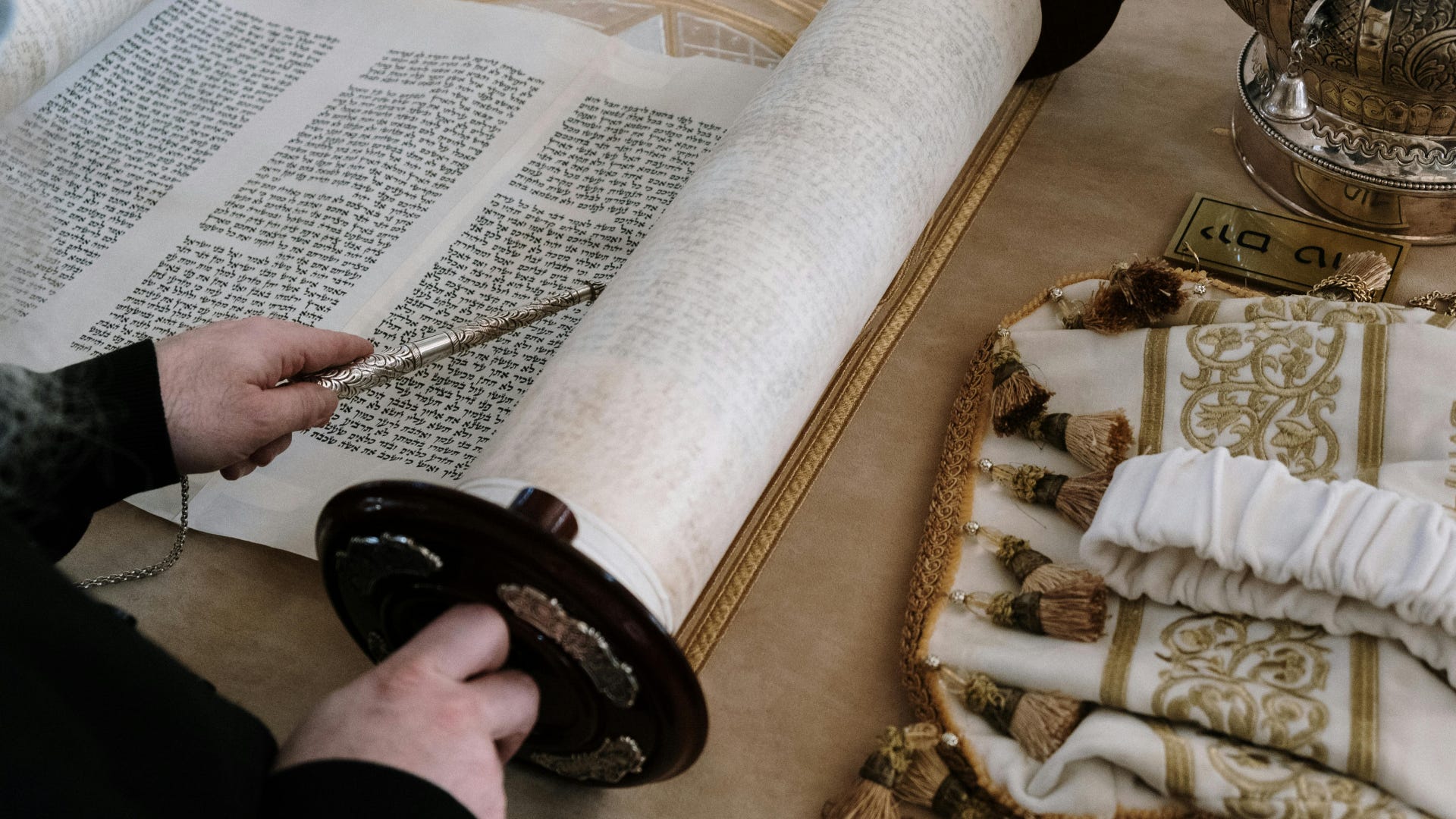
If you’ve had any introduction to Judaism—beyond Hanukkah and its associated latkes, menorahs, and spinning dreidels—you’ve likely heard of the word mitzvah.
A mitzvah is a good deed. If you pay for your friend’s coffee, you’ve done a mitzvah. If you hold the door open for someone, you’ve done a mitzvah. Big or small, anonymous or not, anything good you do to help your neighbor or a stranger is a mitzvah.
But the origins of mitzvah are a little different; the word literally means “commandment” in Hebrew. There are 613 mitzvot (plural of mitzvah) listed in the Torah, and they are considered instructions from God for Jewish people on how to live their lives: what to do and what not to do.
Some of the original mitzvot are outdated, or simply no longer applicable, but many of them are grounded in important values. Today, the ideas of justice, philanthropy, and being engaged in one’s community are early and fundamental lessons for Jewish youth, derived in part from those mitzvot. It starts early by creating a foundation through religious study, in hopes of fostering a lifetime of service and advocacy.
Lessons from a Young Age
Jews are expected to participate and learn about their faith starting from a young age. Like many children raised in other faiths, a lot of Jewish youth attend Sunday School, doing age-appropriate, faith-rooted lessons. Some of these early teachings include concepts like mitzvot, tzedek, meaning justice, and tzedaka, which means charity.
Mishnah—which is the first oral collection of Jewish law—teaches that “each person is an entire world,” and any tikkun made in that world has ripple effects throughout the rest of the world.
One of the most important guiding principles for Jews—particularly those inspired to pursue social justice—is the tenet of tikkun olam; it literally translates to “healing the world.” It can have various applications, but a common interpretation is that it “implies that while the world is innately good, its Creator purposely left room for us to improve upon His work.”
These values are put into practice for young Jews through preparation for their bar or bat mitzvah (“bar” is for boys, and “bat” refers to girls). Around the age of 12-13, Jewish adolescents undergo the ritual of becoming an adult in the eyes of God and their community.
An essential part of this ritual is service-oriented, which can be satisfied through collecting donations or engaging in service for a particular community need. Based on the teachings of tezdek (justice) and tzedaka (charity), Jewish kids are empowered to make this part of the ritual their own; the choice of which organization to support or what action to take is entirely up to them. For many, this is their first opportunity to identify a social justice issue they are passionate about. Hopefully, this sparks a future commitment to social justice and healing the world as they continue this journey into adulthood.
Ways to Put it into Action
There are many avenues for young Jews to put their religious teachings into practice. BBYO (which stands for B’nai B’rith Youth Organization; “b’nai b’rith” means “Children of the Covenant” in Hebrew) and NFTY (North American Federation for Temple Youth) are both popular organizations for Jewish teens to enhance their leadership skills and make connections while growing their Jewish identity; one key difference is NFTY is geared toward Reform Jews, while BBYO is pluralistic.
As they get older, if Jewish young adults attend college, many schools have chapters of Hillel, which is the Jewish student organization; Hillel offers connection with other Jewish students, a space to develop their Jewish identity, leadership experience, and community service opportunities.
Living out the mission of tikkun olam doesn’t stop when Jews graduate college, nor are these programs the only way for Jewish youth to do so. Tikkun olam is an everyday practice. It does not require grand gestures; it does not ask us to work beyond our capacity. It is a guiding principle. It is a reminder that we have a responsibility to ourselves and each other to make things better for everyone. Tikkun olam is one way in which we love our neighbor.