


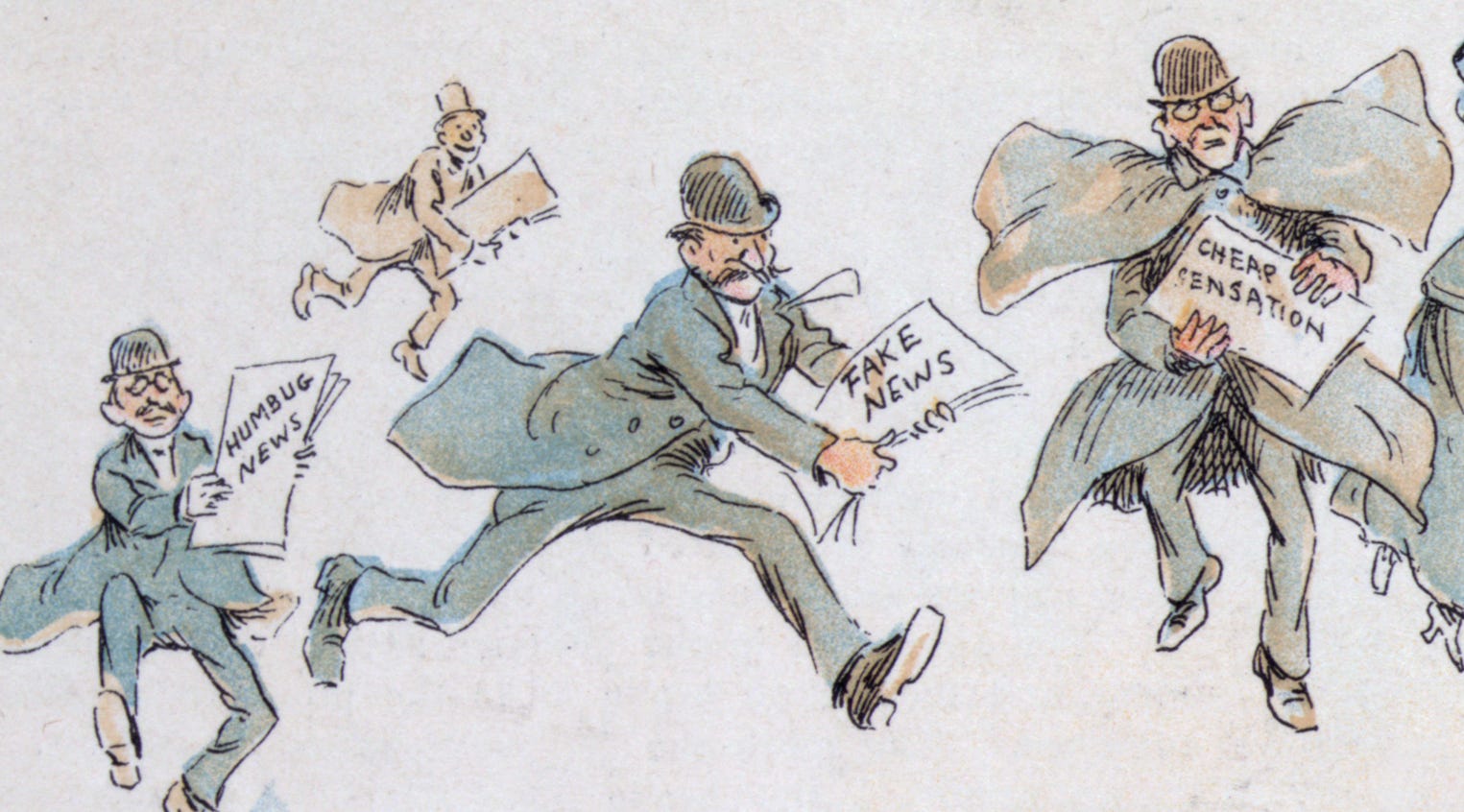
This week, the Texas Impact staff wrote a coordinated blog series on news and information. We asked ourselves questions like: Where do we get reliable policy information? How do we know which news outlets to trust? When should we take online information with a grain of salt?
As a former news producer, Alex offers an overview of the state of news media, pointing out that public trust in the media are at a low ebb. She provides tips on spotting faux news, including identifying “red flags” that signal a “news” story might not be trustworthy.
Becca demystifies science news and information. Drawing on years of experience teaching college students to evaluate content for integrity and bias, she recommends sources for climate, energy, and environmental news and data.
Kyle and Sydney parse the types of reproductive policy information readers might seek, and explain how to find the best sources for your particular need. They counsel: “in a moment where fear and confusion are doing real damage, providing trustworthy information is itself an act of care.”
And Grace unpacks school finance information. She advises that “data, combined with educator testimony, is the best way to learn about how we can help our Texas public schools.”
We decided to do this series in part a a response to a South by Southwest side event that Texas Impact was proud to co-sponsor along with Union Theological Seminary and Austin Presbyterian Theological Seminary, on faith and technology. Texas Impact board president Rev. Phil Dieke and I participated in a panel discussion with colleagues from Union Seminary and the Hispanic Scholars Program where we discussed the points of tension and intersection between information technology, including artificial intelligence, and the practices of faith. It was a great conversation, and we hope to have more like it in the future.
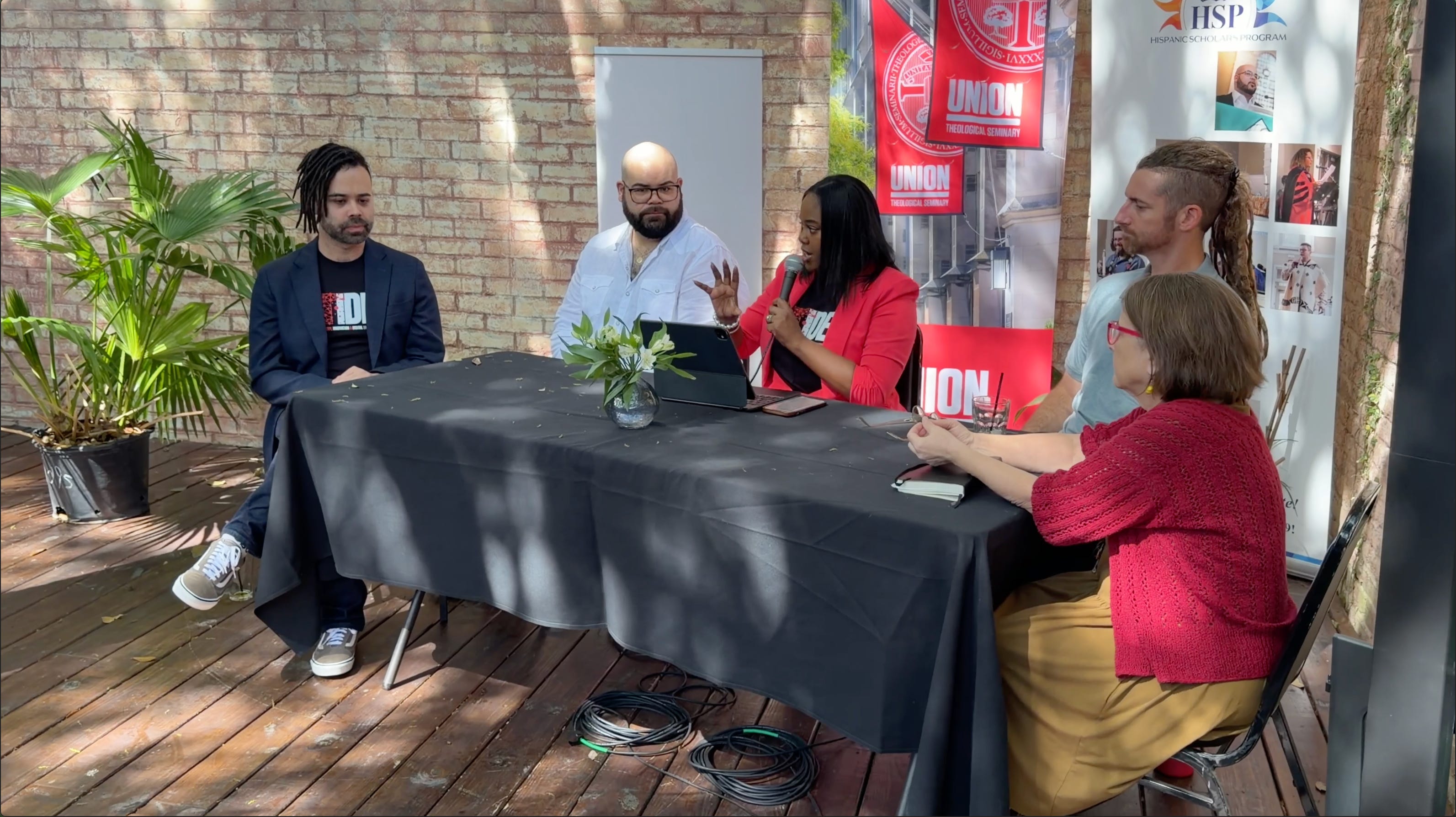
Also this week, I was honored to participate in a roundtable discussion on social justice responding to Rev. Liz Theoharis’ address at Austin Seminary, “God Never Said My Abundance Will Trickle Down from the Rich to the Rest.” The conversation included Rev. Jim Rigby, Rev. Crystal Silva-McCormick, and Rev. Marcus Jones. I came away from the experience profoundly grateful to work in an ecosystem of such amazing theologians, policy wonks, activists.
Rev. William Sloane Coffin said, “the leap of faith is not so much a leap of thought as of action. For while in many matters it is first we must see then we will act; in matters of faith it is first we must do then we will know, first we will be and then we will see. One must, in short, dare to act wholeheartedly without absolute certainty.” Rev. Theoharis, quoting Coffin, stressed that taking unfamiliar actions helps us think differently.
Many people are finding themselves taking new actions in the current political environment. If you feel called to deeper faithful civic engagement and aren’t sure where to start, let us know. We’re here to support you.
Love,
