For Texas Impact and many of our colleagues in the US and around the world, this week marked the ramp-up of our preparations for the annual United Nations climate negotiations, COP30, which this year are taking place in Belém, Brazil. Texas Impact staff members will be joining other representatives of US faith communities at the COP, as we have done for the past 10 years. As in years past, we’ll be communicating frequently via social media and blogs, and we’re delighted to be partnering once again with the Austin Chronicle to provide daily video updates.
This year’s COP is taking place against the backdrop of political turmoil all over the world, and with clear evidence that the goals of the Paris Agreement are far from achieved. As this year’s State of Climate Action 2025 reports:
Global efforts to reduce greenhouse gas (GHG) emissions and enhance carbon removals are failing to materialize at the pace and scale needed to keep the Paris Agreement’s temperature goal within reach, according to new findings from the State of Climate Action 2025.
This research provides the most comprehensive roadmap yet for closing the global gap in climate action. It translates the 1.5 degree C limit into actionable targets for 2030, 2035 and 2050 — showing how fast the world must move to transform the highest-emitting sectors, shift financial flows to align with the Paris Agreement and scale up technological carbon dioxide removal — and grades real-world progress against these benchmarks.
This year’s report card, the fifth in the series, is sobering: Not one of the 45 indicators assessed is on track to achieve its 2030 target.
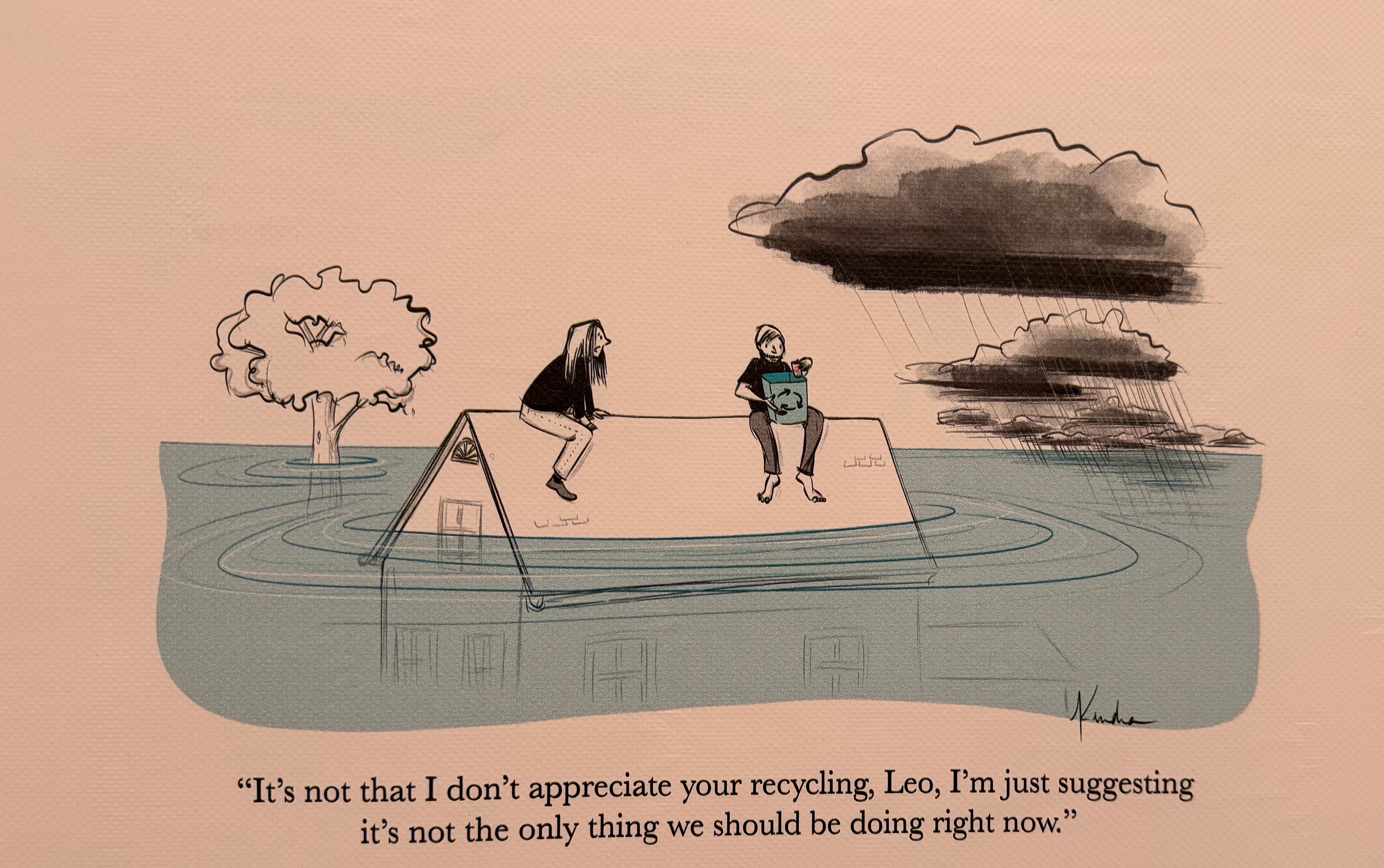
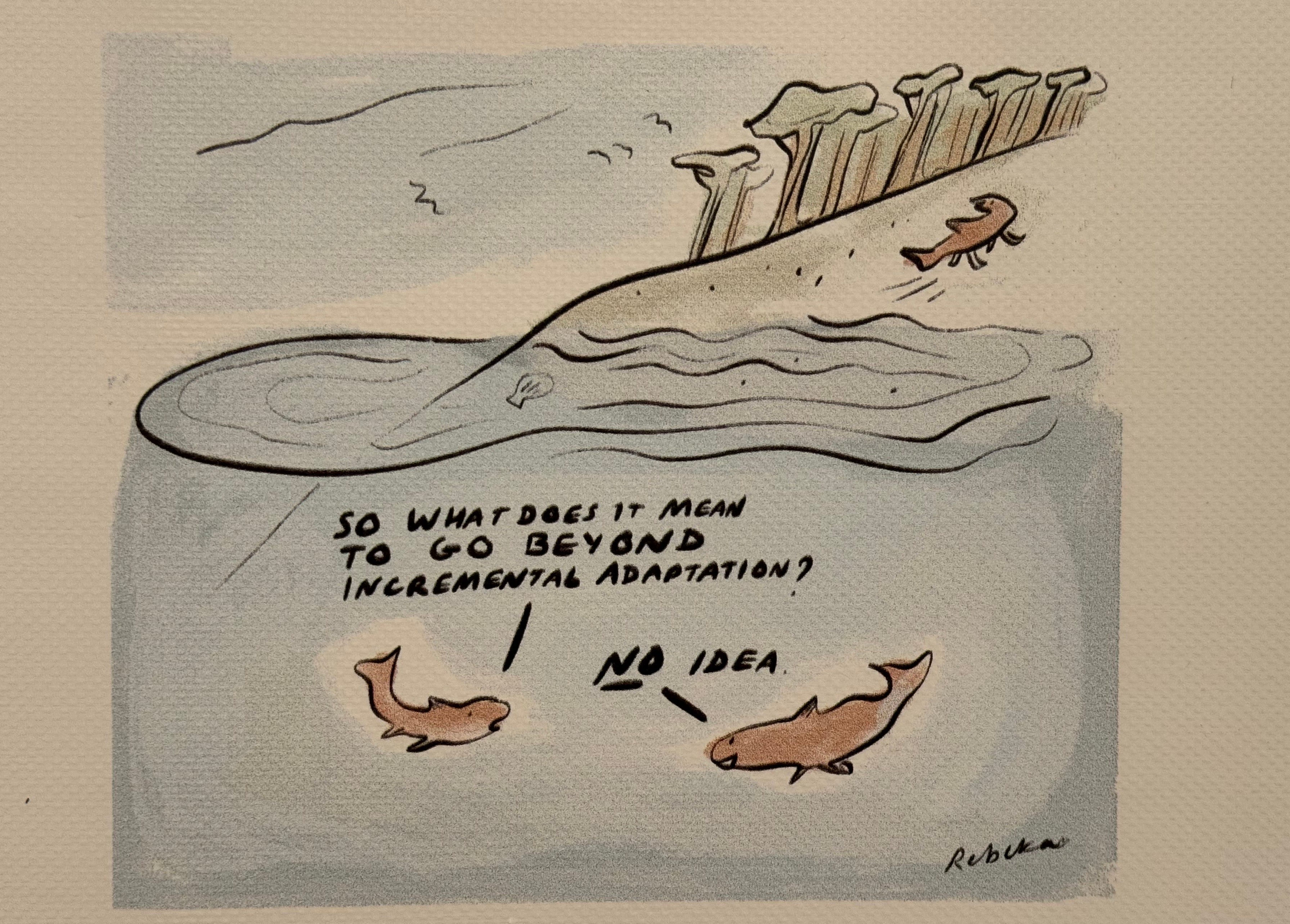
While there are bright spots from the past decade of work—like Texas’ massive deployment of wind and solar power—overall the situation is grim and requires much more ambitious action. Action is what the Brazilian COP presidency is planning for—but even if humanity succeeds in meeting Paris Agreement emissions targets, many climate change processes are in motion, and irreversible damage like loss of species is ongoing. It’s not enough to scale up technology. We will need to learn to live together in different physical conditions than we are used to—and already, that transition is causing population-level emotional discomfort.
Faith communities’ participation in the COP is holistic: we understand the science and appreciate technology, and we know that many climate impacts belong in other categories, like spiritual well-being, justice, and indigenous rights. For US faith communities, there is an added burden of responsibility given that our own government is actively undermining existing climate policies, as well as throwing up road blocks to future progress.
In the blog this week, Becca provides an overview of the role of faith communities in global climate policy. Over the next couple of weeks, we’ll be digging into key issues for this year’s COP and suggesting opportunities for Americans to take action. Want more reading material right now? Here are some suggestions:
Climate Home News—insider updates from the COP (they’re like the Quorum Report of global climate policy)
Inside Climate News—comprehensive, digestible reporting like your favorite nonprofit news service
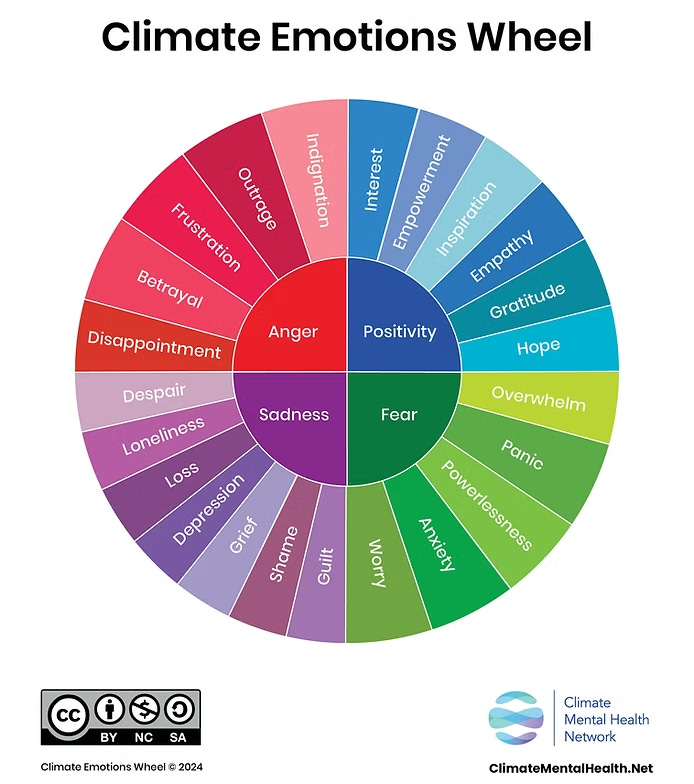
Climate Mental Health Network—is it Unproductive Anxiety, or a Constructive Unpleasant Emotion (CUE)? Either way, there’s support and community.
This year’s COP President, André Aranha Corrêa do Lago, is a career diplomat with a quarter-century of climate and sustainability policy expertise. He has written a series of letters to COP participants and the wider world that lay out his aspirations for COP30, as well as his insights into what’s worked and not worked in the past, saying “As the nation of football, Brazil believes we can win by virada. This means fighting back to turn the game around when defeat seems almost certain.”
Virar means to turn the tide, and also to turn the ship. It’s a decision to change direction. As President Corrêa do Lago points out:
Change is inevitable—either by choice or by catastrophe. If global warming is left unchecked, change will be imposed on us as it disrupts our societies, economies, and families. If instead we choose to organize ourselves in collective action, we have the possibility of rewriting a different future. Changing by choice gives us the chance for a future that is not dictated by climate tragedy, but rather by resilience and agency towards a vision we design ourselves.
(We were amused to hear Patrick quoting a famous hip-hop trio in his remarks to the commission, but then we remembered the Lt. Gov’s background in entertainment.)
Are you ready to work for change? We’re ready to support your work. Thanks for sharing your time and talent with Texas Impact.
Love,
Justice is most fun when it’s social—come be part of our network!